
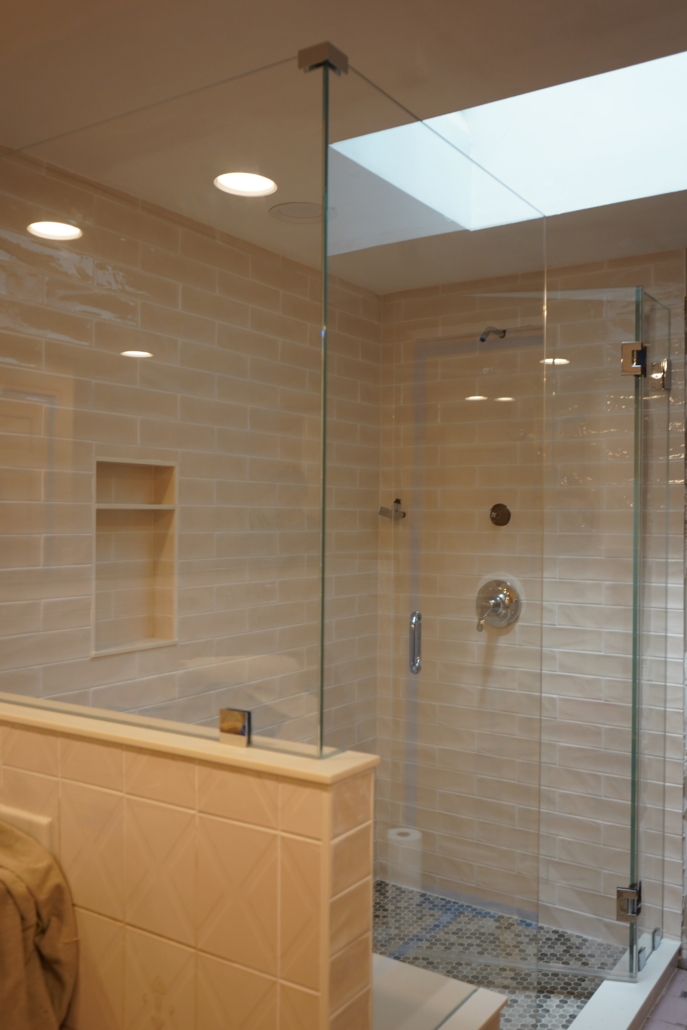
What Impacts the Cost of Custom Shower Doors?
When planning a bathroom upgrade, one of the biggest variables homeowners run into is pricing. You may have already seen a wide range of estimates—and wondered why the cost of custom shower doors can vary so much.
The truth is, custom shower doors are not a one-size-fits-all product. Every project is built around your specific space, style, and preferences. Because of that, pricing depends on several key factors.
In this guide, we’ll break down what actually impacts the cost of custom shower doors so you can better understand where your investment is going—and what matters most when planning your project.
Why Custom Shower Doors Vary in Price
Unlike prefabricated options, custom shower doors are designed and built specifically for your bathroom. That means:
- Measurements are taken precisely for your space
- Glass is fabricated to fit your layout
- Hardware is selected to match your design preferences
- Installation is tailored to your home’s structure
This level of customization is what creates the price range—but also what delivers a better long-term result.
1. Size and Configuration of the Shower
One of the most significant cost factors is the size and layout of your shower.
A simple setup—like a single fixed panel—requires less material and labor, making it more affordable. On the other hand, larger or more complex layouts require additional glass, hardware, and installation time.
Examples of configurations that increase cost include:
- Corner enclosures
- Multi-panel designs
- Oversized walk-in showers
- Custom angles or non-standard layouts
Bathrooms in areas like Cambridge or Newton often include unique architectural details, which can also influence how the shower door is designed and installed.
2. Type and Thickness of Glass
Glass is one of the most important components—and one of the biggest cost drivers.
Most custom shower doors use tempered safety glass, which is designed for strength and durability. However, there are still choices that affect pricing:
Thickness
- 3/8-inch glass: standard and cost-effective
- 1/2-inch glass: thicker, heavier, more premium
Thicker glass offers a more substantial feel and often enhances the overall appearance, but it also increases material and installation costs.
Glass Style
- Clear glass (most common)
- Low-iron glass (ultra-clear, higher-end)
- Frosted or textured glass (adds privacy and customization)
Each option changes both the look and the price of the final installation.
3. Hardware and Finish Selection
Hardware might seem like a small detail, but it plays a major role in both aesthetics and cost.
You’ll typically choose from finishes such as:
- Chrome
- Brushed nickel
- Matte black
- Polished brass or gold
Premium finishes or custom hardware styles can increase costs, especially if they require special ordering or coordination with other bathroom fixtures.
In addition to finish, the type of hardware—hinges, handles, brackets, or sliding systems—also impacts the total price.
4. Door Style and Functionality
The way your shower door operates will also influence cost.
Common options include:
- Fixed panels: simplest and most affordable
- Hinged doors: popular, mid-range option
- Sliding doors: require track systems, slightly higher cost
- Pivot doors: vary depending on design complexity
More moving parts typically mean more components, more labor, and higher overall pricing.
5. Level of Customization
Custom shower doors allow you to tailor nearly every detail—but increased customization often comes with increased cost.
This includes:
- Custom glass shapes
- Unique dimensions
- Specific opening directions
- Minimal hardware designs
- Integrated design features
Highly customized projects require more planning, fabrication time, and precision during installation.
6. Installation Conditions
The condition of your bathroom plays a bigger role than many homeowners expect.
Older homes—especially in places like Wellesley or Boston—often present challenges such as:
- Uneven walls
- Sloped ceilings
- Out-of-plumb surfaces
- Tight or irregular spaces
These factors require adjustments during measurement and installation, which can increase labor time and cost.
7. Labor and Professional Installation
Custom shower doors are not a DIY-friendly project.
Professional installation ensures:
- Proper alignment
- Secure hardware placement
- Water-tight sealing
- Long-term durability
Labor costs reflect the skill and precision required to install heavy glass safely and correctly.
While it may be tempting to cut costs here, proper installation is critical to the performance and lifespan of your shower door.
8. Timeline and Fabrication
Because custom shower doors are made to order, fabrication time is part of the process.
Depending on the project:
- Standard timelines may take a few weeks
- More complex designs may take longer
Rush orders, specialty materials, or unique designs can sometimes impact pricing as well.
9. Design Goals and Overall Bathroom Aesthetic
Your design vision plays a big role in cost.
Homeowners aiming for a more modern, high-end look often choose:
- Thicker glass
- Minimal hardware
- Clean, frameless designs
- Premium finishes
These choices elevate the final result—but also increase the overall investment.
Cost vs. Value: What Matters Most
It’s easy to focus on price alone, but custom shower doors are a long-term upgrade.
When evaluating cost, it’s helpful to consider:
- How often the space is used
- The visual impact on your bathroom
- The durability of materials
- The overall experience of using the space daily
A well-designed custom shower door doesn’t just serve a function—it enhances the entire room.
How to Make Smart Decisions for Your Budget
If you’re looking to balance cost and quality, consider these tips:
- Stick with standard glass options if budget is a concern
- Choose popular hardware finishes instead of custom ones
- Simplify the layout where possible
- Focus on features that matter most to you
Even with a custom project, there’s flexibility in how you approach the design.
What to Expect When Planning Your Project
A typical custom shower door project includes:
- Initial consultation and measurements
- Design and material selection
- Glass fabrication
- Professional installation
Each step ensures that the final product fits your space and functions properly for years to come.
Understanding Where Your Investment Goes
Custom shower doors are a combination of design, engineering, and craftsmanship.
Pricing reflects:
- Materials (glass and hardware)
- Custom fabrication
- Skilled labor
- Precision installation
Understanding these elements helps explain why pricing can vary—and why quality matters.
Thinking About a Custom Shower Door?
If you’re considering upgrading your bathroom, understanding what impacts cost is the first step toward making the right decision.
Every project is different, and the best results come from solutions designed specifically for your space.
Taking the time to evaluate your layout, style preferences, and priorities will help ensure your investment delivers both function and long-term value.